Cemu

Cemu is a highly acclaimed, open-source Wii U emulator that allows gamers to experience Nintendo's home console library directly on their PCs. By leveraging modern hardware, it enhances games with improved resolutions and frame rates. Featuring robust controller support and frequent updates, Cemu remains the definitive way to preserve and enjoy classic Wii U titles with superior performance and visual fidelity.
Gallery
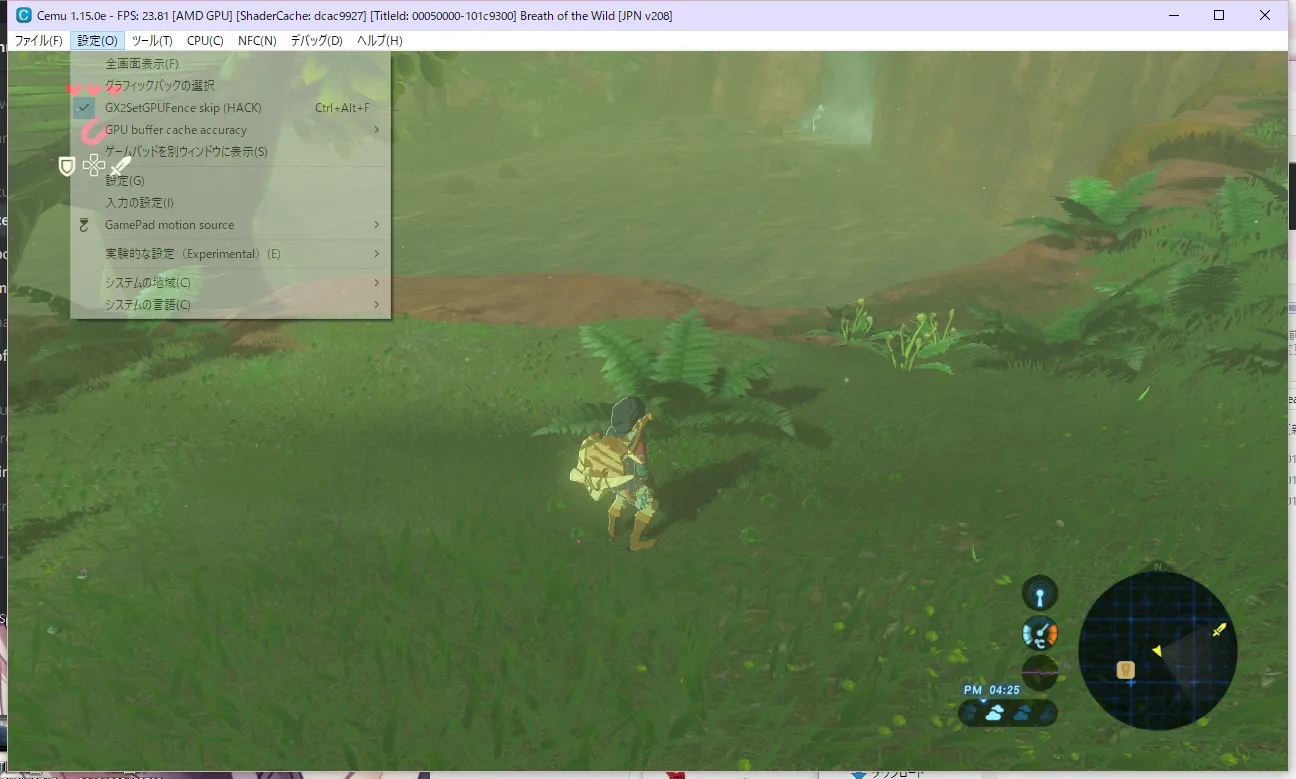
About Cemu
Features
System Requirements
Minimum Requirements
CPU
x64 processor (Intel Core i3 / AMD equivalent)
Memory (RAM)
4 GB
Storage
10 GB
Write a Review
Reviews are moderated. Your review will be published after being approved by an administrator.
Have an account? Log in to post a review, or continue below with your name and email.
Ratings & Reviews
Download Cemu
Get the latest version of Cemu and start using it right away.
Related Software

Dolphin
Dolphin is a free, open-source emulator that lets users play GameCube and Wii games on modern platforms like Windows, Linux, macOS, and Android. It enhances gaming with high-definition graphics, customizable controls, turbo speed, and online multiplayer, making it a top choice for retro gaming enthusiasts.
PCSX2
PCSX2 is a free, open-source PlayStation 2 emulator for Windows, Linux, and macOS. It allows users to play PS2 games on PCs with enhanced graphics, save states, and customizable controls. Leveraging plugins and BIOS files, PCSX2 replicates the console’s hardware, offering improved resolution and performance. Popular among retro gamers, it preserves classic titles while modernizing the experience.
_hvFcrCzo.webp)
RPCS3
RPCS3 is a free, open-source PlayStation 3 emulator enabling PC gamers to play PS3 titles on Windows, Linux, or macOS. It leverages advanced techniques like dynamic recompilation and Vulkan rendering to replicate the PS3’s complex Cell architecture. With growing compatibility, save states, and controller support, RPCS3 revitalizes classic games like Demon’s Souls and Persona 5 for modern hardware.

PPSSPP
PPSSPP is a free, open-source PSP emulator enabling high-definition gameplay of PlayStation Portable games on PC, mobile, and consoles. It enhances graphics, supports save states, and offers cross-platform compatibility. Ideal for retro gaming enthusiasts, it revitalizes classic titles with modern features like controller support and multiplayer modes.

Yuzu
Yuzu is a free, open-source Nintendo Switch emulator for Windows, Linux, and Android. It enables users to play Switch games on non-Nintendo hardware with high compatibility and performance. Developed in C++, Yuzu supports resolution scaling, save states, and controller customization. Regular updates enhance game support and optimization, making it a leading choice for Switch emulation. Keywords: Nintendo Switch emulator, open-source, Yuzu, gaming, compatibility.